

9/11 Museum: A Tribute to History
9/11 Museum: History, Facts, and Exhibits
The 9/11 Museum is a significant institution that examines the events of September 11, 2001, and their aftermath. Located at the World Trade Center site, the Museum showcases artifacts, personal stories, and historical details that highlight the impact of the attacks. Through its thought-provoking exhibits and educational programs, the Museum provides a space for reflection and understanding while honoring the memory of those who perished.
What is the 9/11 Museum?

The 9/11 Museum is an institution dedicated to documenting and exploring the events of September 11, 2001, and the earlier World Trade Center bombing in 1993.
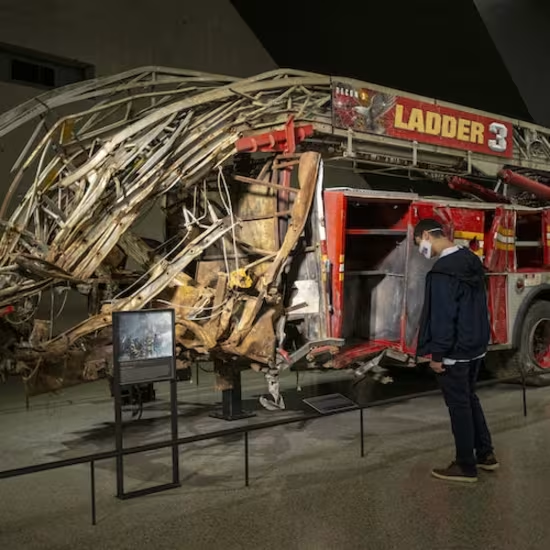
Located at Ground Zero in New York City, the Museum offers a unique blend of historical exhibits, multimedia displays, and personal artifacts that tell the story of these tragic events. The Museum’s vast underground space is designed to immerse visitors in the history and aftermath of the attacks, offering a place for reflection and remembrance. The exhibits capture the courage, sacrifice, and resilience of those affected, making it a moving and educational experience for all who visit.
The 9/11 Museum in Facts
Name:
Officially called the National September 11 Memorial & Museum
Location:
180 Greenwich Street, New York, NY 10007
Opening:
Opened to the public on May 21, 2014
Visitors:
Over 2 million annually
Exhibitions:
Features 70,000+ artifacts across 110,000 square feet
Purpose:
Honors nearly 3,000 victims of 9/11 and six from the 1993 bombing
Design:
Created by Davis Brody Bond, blending architecture, archaeology, and history
Admission:
Tickets usually range from $21 to $33. Get Tickets.
What does the 9/11 Museum stand for?

The 9/11 Museum stands as a tribute to the nearly 3,000 victims of the September 11 attacks and the 1993 World Trade Center bombing, as well as to the countless first responders and recovery workers who risked their lives.
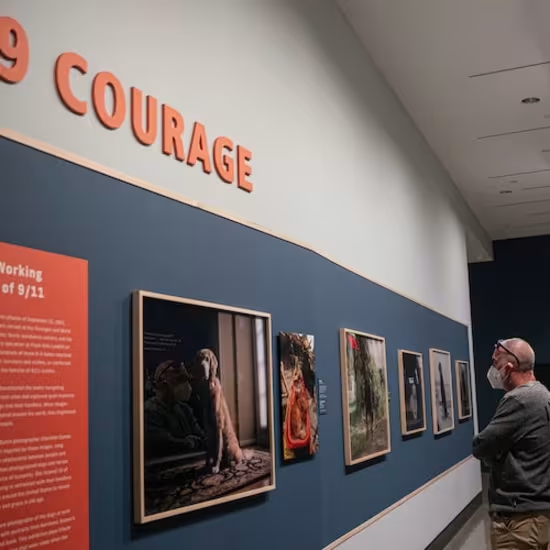
The Museum’s exhibits focus on the human stories behind the events, emphasizing themes of loss, resilience, and heroism. Through its displays and programs, the Museum aims to educate future generations about the impact of the attacks, while also promoting understanding and tolerance.
Why visit the 9/11 Museum?

Visiting the 9/11 Museum offers a deeply moving and educational experience, allowing guests to connect with a pivotal moment in modern history. The Museum provides insight into the events of September 11, through its compelling exhibits, interactive displays, and preserved artifacts. It’s a place to honor the memory of those who lost their lives, recognize the heroism of first responders, and understand the global impact of the attacks.
The Museum also serves as a space for contemplation and healing, offering visitors a chance to reflect on the past while looking toward a hopeful future.
The 9/11 Museum in 10 Key Dates
September 11, 2001: Terrorist attacks on the World Trade Center and the Pentagon kill nearly 3,000 people.
November 19, 2003: An international design competition is launched for the 9/11 Memorial and Museum.
January 6, 2004: The design “Reflecting Absence” by Michael Arad and Peter Walker is selected for the 9/11 Memorial.
March 13, 2006: Construction begins on the National September 11 Memorial & Museum.
September 11, 2011: The 9/11 Memorial opens to the public on the 10th anniversary of the attacks.
May 15, 2014: The 9/11 Museum is dedicated in a ceremony attended by President Barack Obama and other dignitaries.
May 21, 2014: The 9/11 Museum opens to the public, offering visitors insight into the events and aftermath of 9/11.
June 24, 2015: The Museum welcomes its one millionth visitor.
June 2017: The Museum opens “Comeback Season,” an exhibit highlighting the role of sports in healing after the attacks.
May 2019: The Museum opens “The Hunt for Bin Laden” exhibit, chronicling the mission to capture the al-Qaeda leader.
Inside the 9/11 Museum: Highlights

The Survivor’s Stairs
The Survivor’s Stairs, also known as the Vesey Street Stairs, is a powerful exhibit within the 9/11 Museum. These stairs provided an essential escape route for hundreds of people fleeing the North Tower on September 11, 2001. The staircase, which once connected the World Trade Center Plaza to Vesey Street, was preserved and later installed as part of the museum’s core exhibitions. As an artifact, the stairs symbolize resilience and survival amidst the tragic events of that day.

Memorial Hall
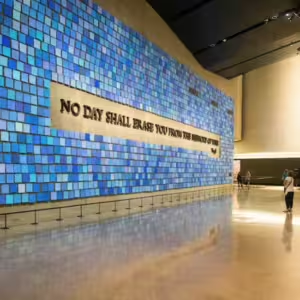
Memorial Hall is a reflective space located between the footprints of the original Twin Towers within the 9/11 Museum. It features two site-specific artworks: a quote from Virgil’s “Aeneid,” and an installation titled “Trying to Remember the Color of the Sky on That September Morning.” The hall’s serene atmosphere provides visitors with a space to remember and honor the victims. The inscription, “No day shall erase you from the memory of time,” resonates with the museum’s purpose of ensuring that the events and people of September 11, 2001, and February 26, 1993, are never forgotten. The surrounding blue tiles, each unique, symbolize the sky on the morning of September 11, creating a powerful backdrop for reflection.
Foundation Hall
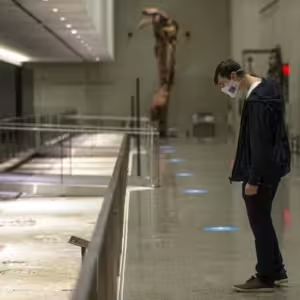
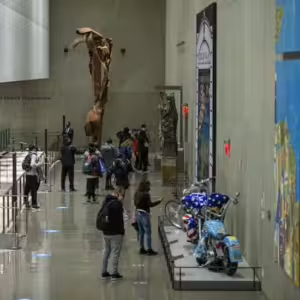
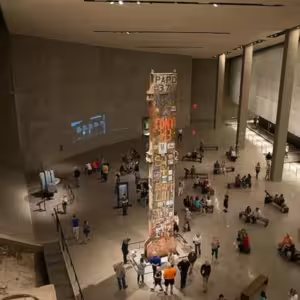
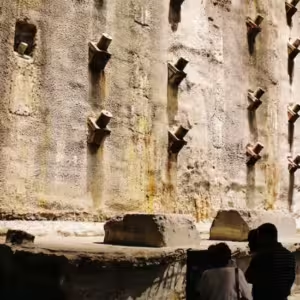
Foundation Hall is one of the largest spaces within the 9/11 Museum. It houses two iconic features: the Last Column and the Slurry Wall. The Last Column, standing at 36 feet tall, was the final piece of steel removed from Ground Zero, and is covered with inscriptions, mementos, and tributes left by rescue and recovery workers. The Slurry Wall, a concrete retaining wall that survived the collapse of the towers, stands as a testament to resilience and strength. Foundation Hall’s vast and solemn space serves as a reminder of the immense scale of the attacks, while also highlighting the efforts and sacrifices of those involved in the recovery.
Where is the 9/11 Museum located?

The 9/11 Museum’s address is 180 Greenwich St, New York. | Get Directions
What are the 9/11 Museum Opening Times?
The 9/11 Museum is open from Wednesday to Monday, 9:00 AM to 7:00 PM (last entry at 5:30 PM)
The 9/11 Museum in Pictures

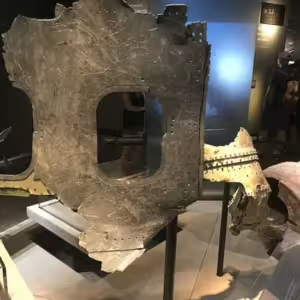
A detailed narrative of September 11, displaying powerful artifacts, images, and videos.

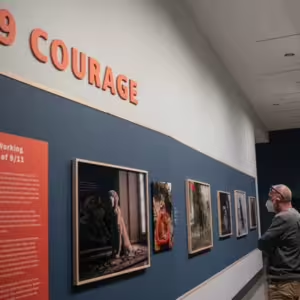
Personal items, photos, and stories honoring each victim, preserving their memory.

A cavernous space containing the Last Column, covered in heartfelt tributes from recovery workers.

The final steel beam removed from Ground Zero, bearing messages and mementos from recovery efforts.

An original piece of the World Trade Center’s foundation, symbolizing resilience and fortitude.

A quiet space in the Museum dedicated to reflection, offering visitors a chance to pause and remember.



9/11 Memorial & Museum: Entry Ticket
Highlights
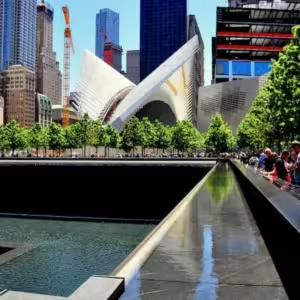
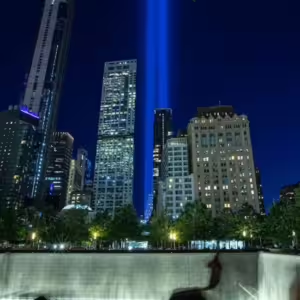
Stand beside the reflecting pools, where North America’s largest manmade waterfalls echo with the profound stories of the past.
Gain access to “In Memoriam,” an exhibition dedicated to the victims, sharing their personal stories and memories.
Explore the Foundation Hall, home to the monumental Last Column and artifacts, symbolizing resilience and endurance.
View authentic artifacts and hear personal stories of survival and recovery, providing a comprehensive understanding of the tragic events.
Witness the Survivor Tree, a living symbol of hope and resilience that withstood the attacks and continues to grow.





Ground Zero All-Access Guided Tour + 9/11 Museum
Highlights
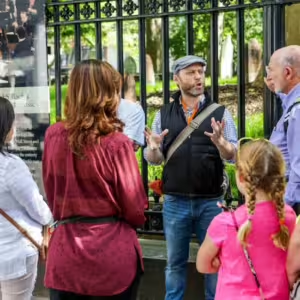
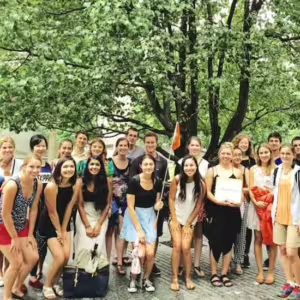
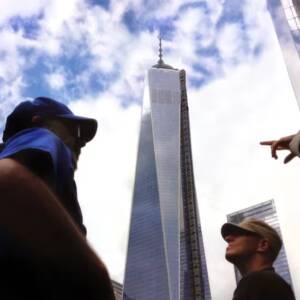
Start with a 90-minute guided walking tour led by a local New Yorker with personal connections to the events of 9/11, providing detailed narratives and historical context.
Visit St. Paul’s Chapel, New York City’s oldest public building still in continuous use, which served as a refuge for first responders during the aftermath.
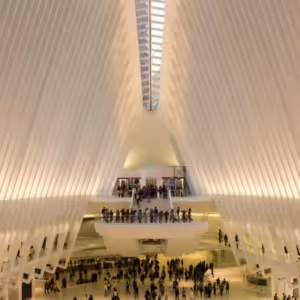
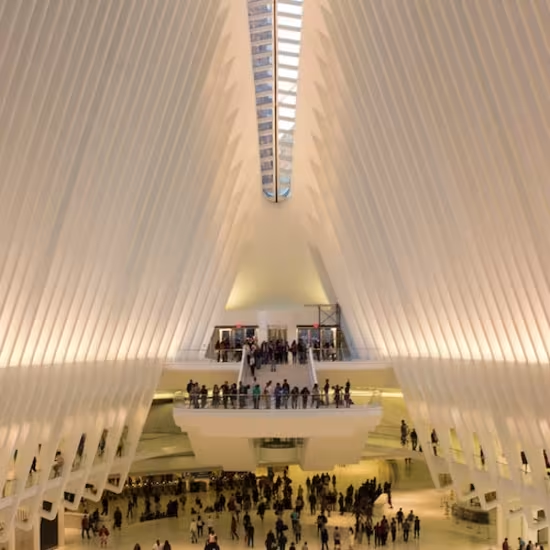
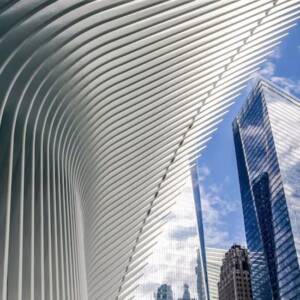
Explore The Oculus, the impressive structure of the World Trade Center Transportation Hub, an architectural marvel that also serves as a shopping center.
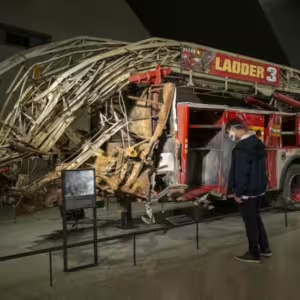
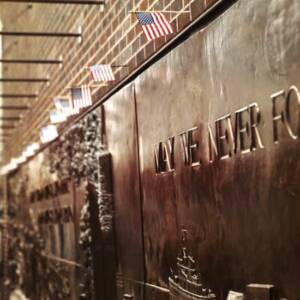
Learn about the bravery and sacrifices of the firefighters with a visit to the FDNY Memorial Wall.
Conclude the tour at the Survivor Tree, a poignant symbol of resilience that survived the attacks and continues to grow today.
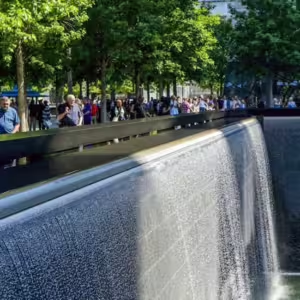
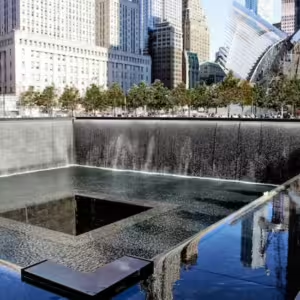
Reflect at the 9/11 Memorial Pools, the largest manmade waterfalls in North America, which honor the lives lost on that tragic day.
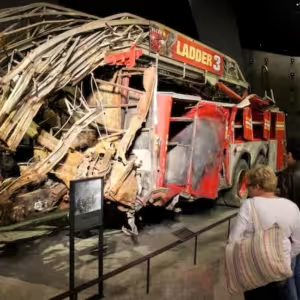
Skip the line and explore the 9/11 Museum at your own pace, with exhibits that provide a deep understanding of the events of September 11 and their global impact.




Ground Zero All-Access Guided Tour + One World Observatory
Highlights
Start with a 90-minute guided walking tour led by a local New Yorker who shares personal connections and detailed narratives about 9/11.
Visit St. Paul’s Chapel, New York City’s oldest public building still in use, which served as a sanctuary for first responders.
Explore The Oculus, the World Trade Center Transportation Hub, an architectural masterpiece and shopping center.
Hear stories of bravery and sacrifice at the FDNY Memorial Wall.
See the resilient Survivor Tree, which survived the 9/11 attacks and continues to thrive.
Reflect at the 9/11 Memorial Pools, the largest manmade waterfalls in North America, honoring those who lost their lives.
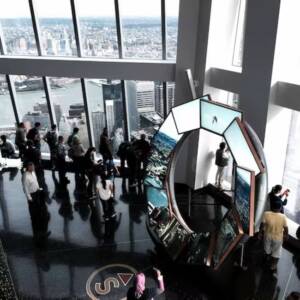
Conclude your tour with a visit to the top of One World Trade Center, offering unparalleled views of New York City and beyond.





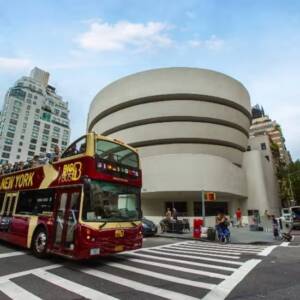
New York Sightseeing Flex Pass
Highlights
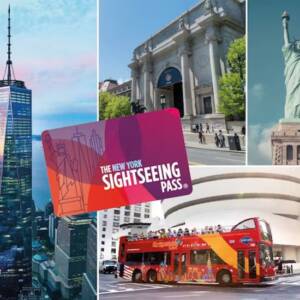
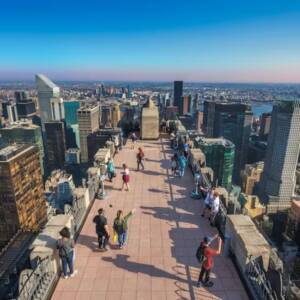
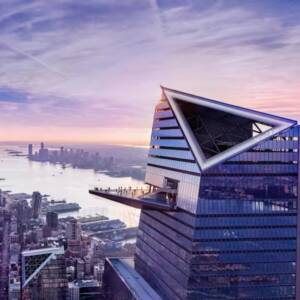
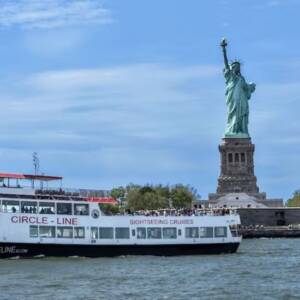
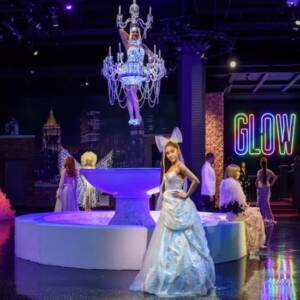
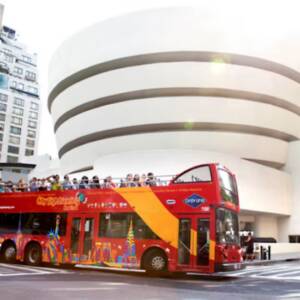
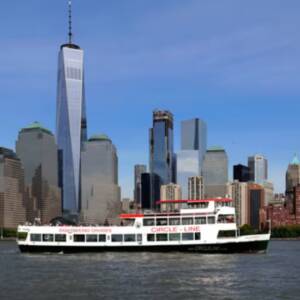
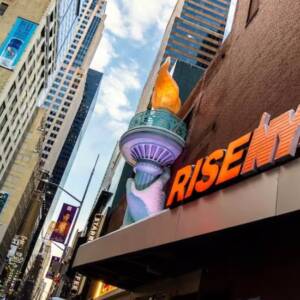
Access up to 100+ attractions and experiences across New York City, including iconic landmarks like the Empire State Building, the Statue of Liberty, and Top of the Rock.
Choose your own adventure with flexible options to visit 2, 3, 5, 7, or 10 attractions within 30 days of activation.
Save up to 50% compared to buying individual tickets for attractions and tours.
Skip the hassle with contactless entry at many participating attractions.
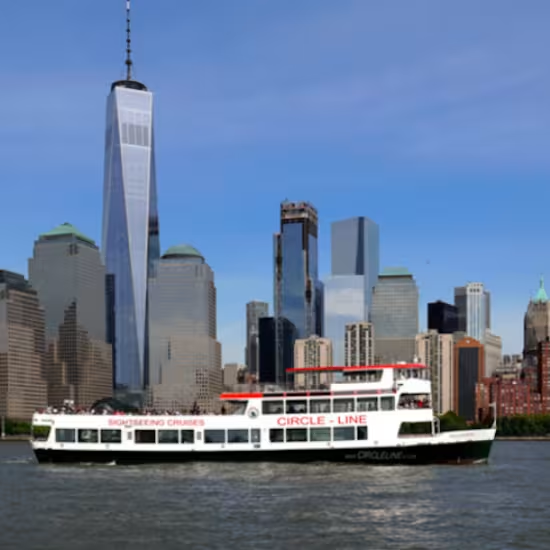
Discover hidden gems with walking tours, harbor cruises, and unique NYC experiences included in the pass.




 English
  Español
  Français
  Deutsch
  Italiano
  Português do Brasil